
Aion 2 housing brings private estates, furniture crafting, and custom building to Atreia. From unlocking your island manor to collecting rare decorations and designing unique interiors, discover what it takes to build an impressive estate without falling behind on your endgame progression.
Your Private Estate Starts With One Million Kina
The housing update announced for the Korean and Taiwanese servers introduces private island ownership rather than the competitive land auctions familiar to some players of the original Aion. The announced entry cost is 1,000,000 Kina, with permanent estate ownership rather than an ongoing property rental.
That changes the housing experience considerably. Instead of competing with other players for a limited property, you can focus on building your own manor, decorating its interior, and developing the surrounding outdoor space. Your estate becomes a long-term collection and construction project rather than another competition for limited land.
However, the entry fee is only the beginning. Furniture, crafting materials, and the time spent gathering resources all deserve consideration, particularly if your character is still working toward expensive gear upgrades.
Should You Unlock Housing Immediately?
For players with a comfortable Kina reserve, purchasing an estate early gives them time to explore the editor, experiment with furniture placement, and gradually build a collection. There’s no need to finish everything immediately, especially when the more elaborate decorations may require additional materials and crafting work.
Our Take: Unlock your estate when the purchase won’t interfere with your immediate gear plans. Housing is intended as a separate activity from Combat Power progression, so there is little reason to sacrifice an important equipment upgrade simply to own the property on day one.
Building Beyond the Default Manor Layout
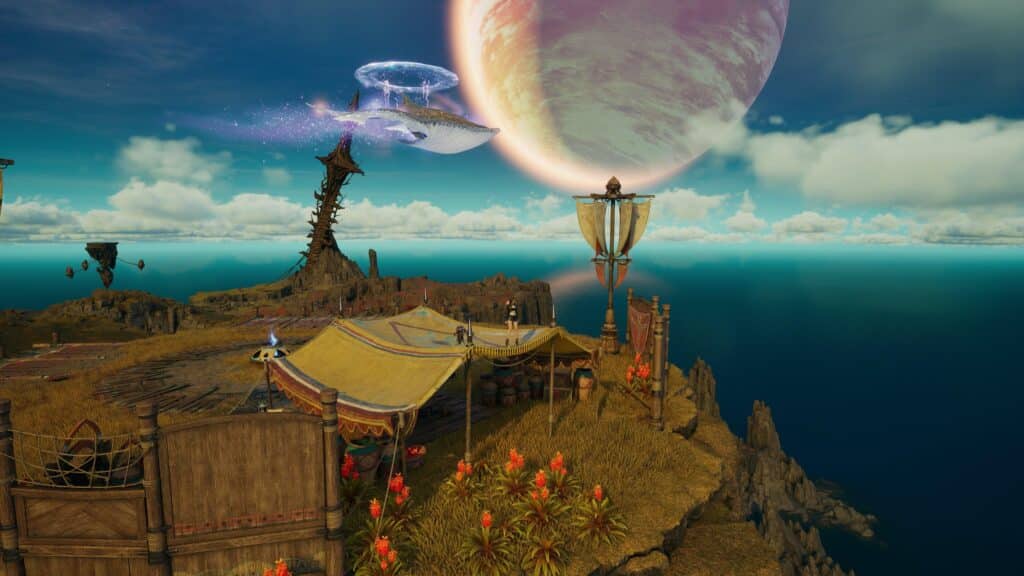
The most interesting part of Aion 2 housing isn’t simply how many decorations players can collect. It’s the possibility of changing the appearance of the manor itself. Rather than accepting every room exactly as presented, players can experiment with structural pieces, furniture placement, and the surrounding estate.
The previewed building controls suggest that players will have considerable freedom when arranging decorations. However, the precise limits of resizing, floating, and structural placement still need testing in the live editor.
Use Floors, Walls, and Furniture to Create Your Own Layout
Start with the overall shape of your estate rather than immediately filling rooms with decorations. Decide where visitors should enter, which rooms deserve the most space, and whether you want an open reception hall or several smaller areas. Large partitions and structural decorations may help separate rooms without making the entire interior feel crowded.
Once the main layout feels right, begin placing tables, shelving, seating, and decorative objects. Working in this order makes it easier to change the floor plan without repeatedly moving dozens of smaller items.
Test Your Custom Structures Before Decorating
Stacked panels, raised platforms, and floating decorations could make unusual designs possible, but their collision behavior should never be assumed. A staircase that looks convincing inside the editor might not necessarily work as expected when your character tries to climb it.
Crafting Furniture and Building Your Collection
Aion 2’s housing presentation announced an initial catalog of 286 decoration types alongside several terrain options. Furniture crafting is expected to play a central role in expanding your collection, while some materials are intended to come from boss encounters. That gives players another reason to explore, gather, and revisit PvE content outside their usual equipment farming.
Rare furniture is about appearance, not Combat Power. The announced design separates furniture grades from character strength. A difficult decoration may require more crafting work or rarer materials, but displaying it in your estate isn’t intended to increase your damage, accuracy, or other combat attributes.
Start With Basic Furniture Before Chasing Rare Decorations
There’s little reason to begin your housing project by chasing every rare decoration. Basic tables, shelving, partitions, and lighting fixtures can establish the shape of a room while you experiment with different designs. Once you’ve settled on a layout, you can gradually replace selected pieces with decorations that require more work to obtain.
Consider choosing one main display area for your rarest furniture rather than scattering valuable pieces across every room. A single distinctive centerpiece can give an estate more character than filling every available corner with unrelated decorations.
Where Should Endgame Players Look for Rare Materials?
The developer housing preview indicated that certain crafting materials would be connected to boss encounters. However, specific furniture recipes, boss drop tables, and any dungeon-exclusive materials should be checked against the live update before planning repeated farming runs around them.
What to Check After Launch: Examine the crafting recipe for the decoration you want, identify which materials are gathered or dropped, and determine whether any components can be transferred between characters. Build your farming plan around confirmed recipes rather than assuming every rare decoration comes from high-end raids.
Lighting, Outdoor Design, and the Details That Make an Estate Stand Out
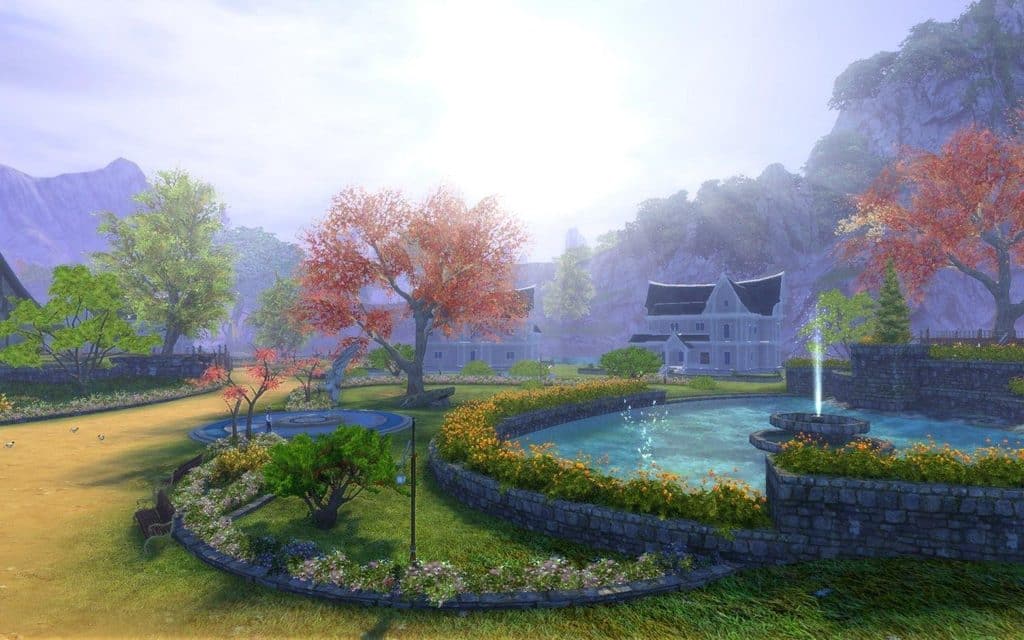
Furniture placement is only one part of building an estate worth visiting. Lighting, architectural colors, open spaces, and the connection between the manor and its garden can change the appearance of the entire property. Instead of decorating every room in the same way, give different areas their own purpose and atmosphere.
Build Each Room Around a Different Purpose
Reception Hall
Use open floor space, large decorations, and brighter lighting to create an entrance where visitors can gather without crowding the doorway.
Private Study
Combine shelves, tables, smaller decorations, and warmer lighting to make a quieter room away from the main hall.
Trophy Gallery
Reserve a dedicated display area for your favorite furniture and any decorative rewards you collect from future content.
Outdoor Garden
Connect the manor entrance to the surrounding island with clear paths, gathering spaces, and carefully arranged decorations.
Plan for Visitors, Not Just Screenshots
Private estates have been announced with the ability to invite up to 40 players. That makes the property more than a personal decorating project. Friends and Legion members could use the estate for gatherings, celebrations, screenshots, or simply spending time together between dungeon runs.
If you plan to welcome a large group, keep entrances and major walkways open. Wide gathering areas and carefully positioned furniture will make the estate easier to explore than narrow corridors packed with decorations. The best-looking room isn’t always the one containing the most objects.
The Real Endgame Housing Challenge Is Time, Not Combat Power
Housing introduces a different kind of progression in Aion 2. Instead of chasing another equipment breakthrough or higher damage, you’re collecting decorations, experimenting with layouts, and gradually developing a property that reflects your character. A rare furnishing or carefully designed room becomes something to display rather than another source of combat stats.
For players already committed to dungeon clears, Abyss activities, and gear upgrades, the challenge will be deciding how much time to dedicate to their estate. An elaborate interior could require repeated crafting sessions, material farming, and plenty of trial and error in the editor. That doesn’t make housing mandatory, but it does mean ambitious building projects will compete for some of the same playtime as your regular endgame activities.
Build Your Estate in Stages
Establish the Layout
Unlock the estate, explore the editor, and establish your manor’s main rooms, entrances, and outdoor paths.
Furnish the Rooms
Craft basic decorations, experiment with lighting, and complete the areas you expect to use most often.
Collect Rare Pieces
Work toward unusual furniture, replace temporary decorations, and continue developing your estate as new items become available.
Our Take: Don’t turn housing into another mandatory daily checklist. Keep your dungeon runs and character progression moving, then use your remaining playtime to build something you’re happy with. A private estate should give you a reason to enjoy Atreia beyond combat, not become another source of pressure.
Is an Elite Private Estate Worth Building in Aion 2?
For players who enjoy collecting rare items, decorating personal spaces, and showing off their achievements, housing offers a welcome alternative to the constant pursuit of better equipment. Your estate doesn’t need to increase Combat Power to feel rewarding. Sometimes the appeal is simply having a place in Atreia that belongs to you.
What makes the system promising is the combination of permanent island ownership, substantial interior space, furniture crafting, and freedom to experiment with different designs. You can begin with a modest manor and continue developing it as you discover new decorations, materials, and building ideas.
The real test will come when the housing update becomes playable. That’s when players can explore the editor’s limits, discover the full crafting system, and determine how much freedom the building tools actually provide. Until then, the best preparation is to save some Kina, decide what kind of estate you want, and keep your main character’s progression on track.